Anyone who has done a long ride with a pillion knows how it goes. You’re enjoying the road, the wind, the whole point of being on a bike and meanwhile the person behind you has gone quiet because their back has given up somewhere around hour three. The bags aren’t happy either, bungeed on wherever there was space.
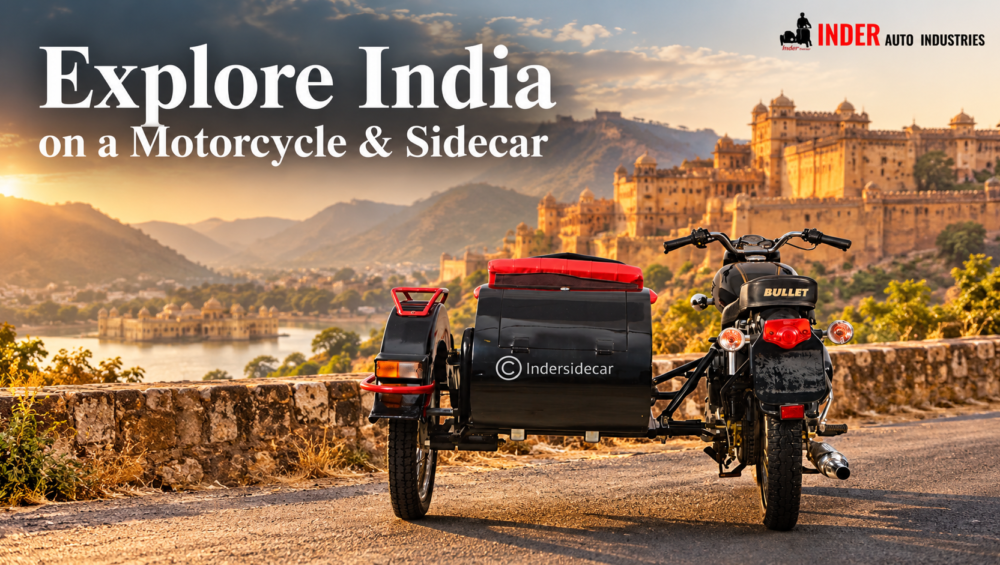
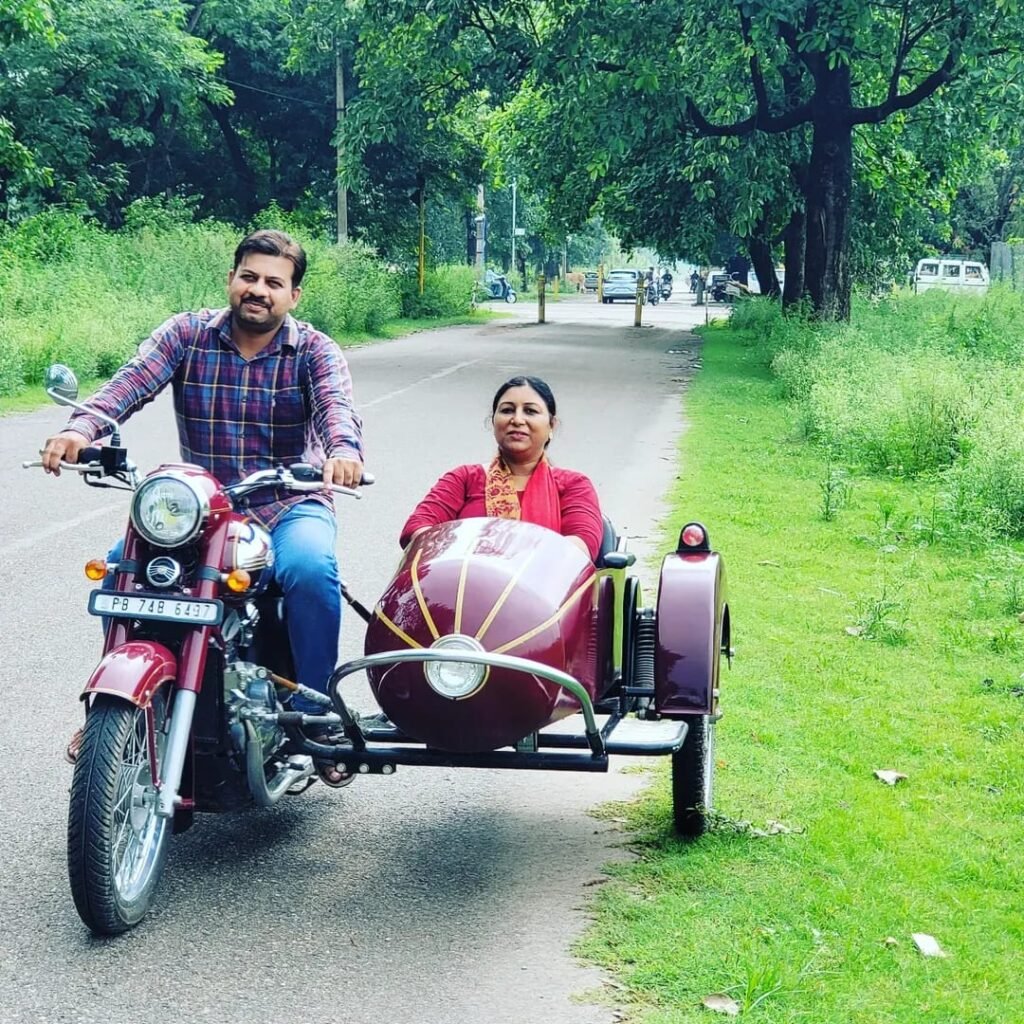
A motorcycle with sidecar sorts out most of that. Your passenger gets an actual seat, the luggage goes in the sidecar body and when you pull over for chai the whole rig just stands there without you propping it up. Touring stops being a one-person hobby and becomes something a couple can do together without anybody sulking.
It’s also worth saying that sidecars aren’t the museum pieces they were a few years back. Hotels want them, cafes want them, and plenty of ordinary riders are asking which roads suit one, how to get ready for a long trip, and what separates a solid build from a flimsy one. That’s what this post is about.
Why a Motorcycle Sidecar Is Changing Long Distance Touring
Most bike touring in India is really about distance. Get up early, ride hard, carry as little as possible, and expect your passenger to cope. Fine if you’re alone. Not so fine if you’re riding with your wife, your parents or anyone who’d rather not spend the next three days walking like they’ve been on a horse.
With a sidecar the passenger sits beside the bike, properly supported, and the rider no longer has a heavy load pulling at the back of the machine. Multi-day trips start to look realistic for two people, which is probably why so many riders who gave up on touring after one miserable trip are coming back to it.
What Makes the Side Car in India a New Way to Travel
The sidecar itself is old news. What’s different is who’s using it and why. For a long time it was either a vintage showpiece or a work vehicle, and now people are buying a side car in India for weekend rides, long tours, and the simple pleasure of it. Tour operators have started slotting sidecar rides into heritage routes, and some resorts and cafes use them because a taxi can’t offer the same thing.
The bigger change is in how people ride. A rig isn’t quick and doesn’t pretend to be, so you end up stopping more, talking more, and noticing the place you’re actually passing through instead of the next toll plaza.
Seeing India at a Different Pace on a Motorcycle Sidecar
Slow is the whole appeal here. At a steady speed you catch the details you’d normally blur past: a roadside stall selling guavas, a field of mustard, that side road you’d have ignored at 90. Taking the detour isn’t a big decision when nobody behind you is tired.
The passenger’s view is better too. You sit low and close to the road, with a wide open side and no car window in the way, and the rider gets a machine that stays upright by itself at every stop. Photographers and couples seem to love this the most, for obvious reasons.
Best Routes for an Indian Motorcycle Sidecar Tour
Not every road suits a rig, though some are properly good.
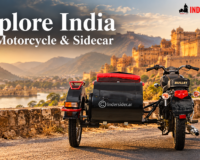
Rajasthan is the easy choice. Jaipur, Jodhpur, Jaisalmer and Udaipur can be strung into a single trip, the highways are wide, fuel isn’t hard to find and you’ll have people staring at you in every village you pass, which is half the fun.
The hills of Himachal Pradesh and Uttarakhand are lovely at a slow pace, but plan them carefully. Steep climbs, narrow stretches and high passes are hard on the engine and the brakes, and a few mountain roads simply aren’t meant for a sidecar, so find out about road conditions before you commit.
Along the coast through Goa, Konkan and Kerala things get much easier, with plenty of stops and plenty of food, which makes it a good first long trip. And closer to home, the flat, well-connected roads of Punjab and Haryana are ideal for weekends, especially if you’re new to the rig and want to build confidence before going far.
Planning a Motorcycle With Sidecar Trip the Right Way
Don’t plan big days at the start. A rig asks for more attention than a normal bike, and a rider who is worn out by late afternoon tends to make bad calls, so keep the distances modest until you know how it behaves.
Look at the road in advance if you can. Deep sand, badly broken tarmac and very narrow lanes are the things that ruin a sidecar day and it helps to know where the fuel pumps and mechanics are before you’re stuck wishing you did. Pack a basic toolkit and a puncture kit, and think about what you’d do if a tyre went, because the third wheel is one more thing that can go wrong.
Season matters more than people expect. Heavy monsoon rain, winter fog and peak summer heat all change how the rig handles and how far you can see, so choose when you go based on where you’re going.
Luggage and Carrying Capacity in a Motorcycle Sidecar
This is one of the best things about a motorcycle sidecar. Bags, camping gear, a camera kit and whatever else you’re dragging along can all sit in the sidecar body, which leaves the bike lighter and better balanced than it would be with everything strapped on the back.
That said, load it with some thought. Keep the heavy stuff low, tie it down properly, spread the weight sensibly, and stay within the limit for your rig, because too much in the sidecar changes how the whole vehicle steers and brakes. A decent build has proper mounting and storage designed for what it’s actually going to carry.
Choosing an Indian Motorcycle Sidecar Built for Touring
Touring is far harder on a sidecar than pottering around town. A good Indian motorcycle sidecar needs a rigid mounting frame, a strong chassis and suspension that suits the load, and the body has to put up with hours of vibration, heat and rain without cracking or rattling loose.
Fitment is just as important. Alignment and wheel angle decide how the rig handles, how the tyres wear, and how tiring it is to ride all day. Poor fitment might not show up on a short test ride, but on a long trip it will, usually when you’re a long way from help, so put build quality and proper fitting ahead of looks and price.
The bike matters as well. Heavier, torque-rich motorcycles cope with the extra weight better than light commuters, especially uphill or with a passenger and luggage on board. Have the frame and engine checked before fitting, and if a builder tells you your bike isn’t suitable, believe them.
How a Motorcycle With Sidecar Handles on Long Roads
It doesn’t ride like a normal motorcycle, and it’s better to know that before the first ride. The rig doesn’t lean, so you steer it more like a small car, and under braking it can pull a little toward the sidecar side, which is why early, smooth braking is the habit to build. Left and right turns feel different too, because of where the weight sits.
None of this is hard, it just takes practice. Spend a few sessions in an empty open area before any long trip, then build up the distance gradually, and most riders feel comfortable within a few days.
Safety and Legal Points for Side Car in India Travellers
Check the tyre pressure on all three wheels regularly, since uneven pressure affects a rig more than a standard bike. Don’t overload it, keep your speed sensible, and take extra care on wet roads, steep descents and crowded streets. If a child is riding along, use proper seating and follow local safety rules.
On the legal side, registration and modification rules for a sidecar-fitted motorcycle vary by state, so confirm with your local RTO. And if you’re crossing state borders, get your documents, insurance and registration sorted before you leave, not at a checkpoint.
Motorcycle Sidecar Tourism and Business Opportunities
A motorcycle sidecar can earn its keep commercially as well. Heritage hotels, resorts, cafes and tour companies use them for city rides, photo experiences, wedding entries and promotions, mostly because people remember them and photograph them without being asked.
For a business it works as both a service and a marketing tool, but only if it’s reliable. A commercial sidecar has to be strong, comfortable and consistent day after day, which brings you straight back to who builds it.
Why Inder Auto Industries Is a Trusted Indian Motorcycle Sidecar Manufacturer
When you’re buying a motorcycle with sidecar in India, the manufacturer matters as much as the product. A sidecar isn’t a bolt-on accessory. It changes how the whole vehicle steers, brakes and carries weight, so the design and the fitting decide how safe the rig will be over thousands of kilometres.
Inder Auto Industries builds sidecars with that in mind. Each unit is designed for Indian road conditions, with attention to chassis strength, mounting frame rigidity, suspension setup and wheel alignment, and the motorcycle is assessed before fitting, since frame strength, engine torque and brake condition all affect how well a bike can carry a sidecar.
Motorcycle Sidecar FAQs for Indian Riders
Is a motorcycle with sidecar legal in India?
Generally yes, but registration and modification rules vary by state and RTO. Check with your local transport office before fitting one.
What is the price of a motorcycle sidecar in India?
There’s no fixed price. It depends on the build type, materials, comfort features and the bike it’s fitted to. A custom build costs more than a basic cargo unit, so get quotes based on your exact requirements.
Can a sidecar be fitted on any motorcycle?
No. Heavier, torque-rich bikes with strong frames and reliable brakes work best. Get the frame and engine inspected before fitting.
Is an Indian motorcycle sidecar safe for children?
It can be, with sturdy construction, proper seating and careful riding. Follow local safety rules whenever a child is on board.
Is it difficult to ride a motorcycle with sidecar?
It feels odd at first because the rig doesn’t lean into corners. Most riders adapt within a few days of practice in an open, low-traffic area.