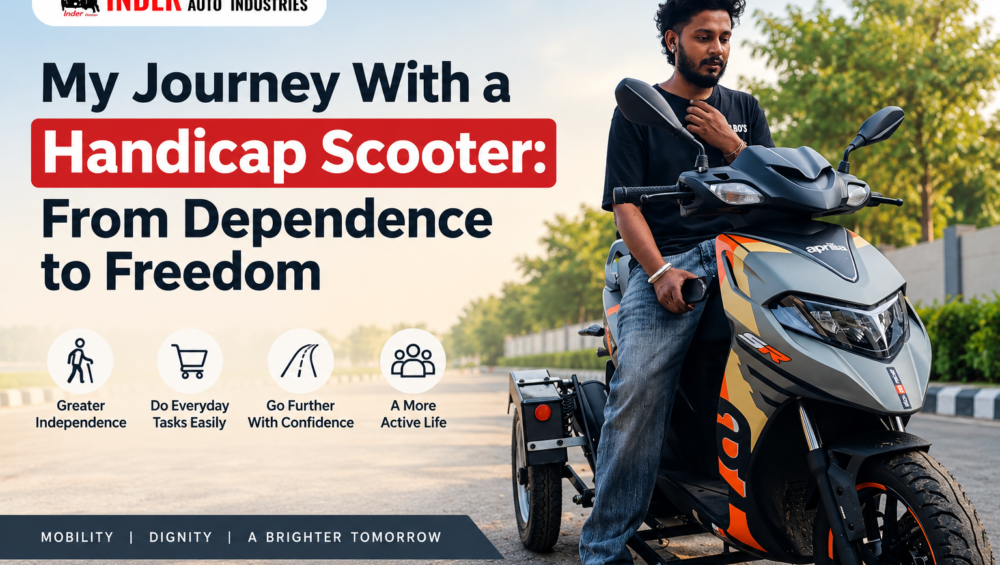
Handicap Mobility ScooterCategoriesMobility Scooter

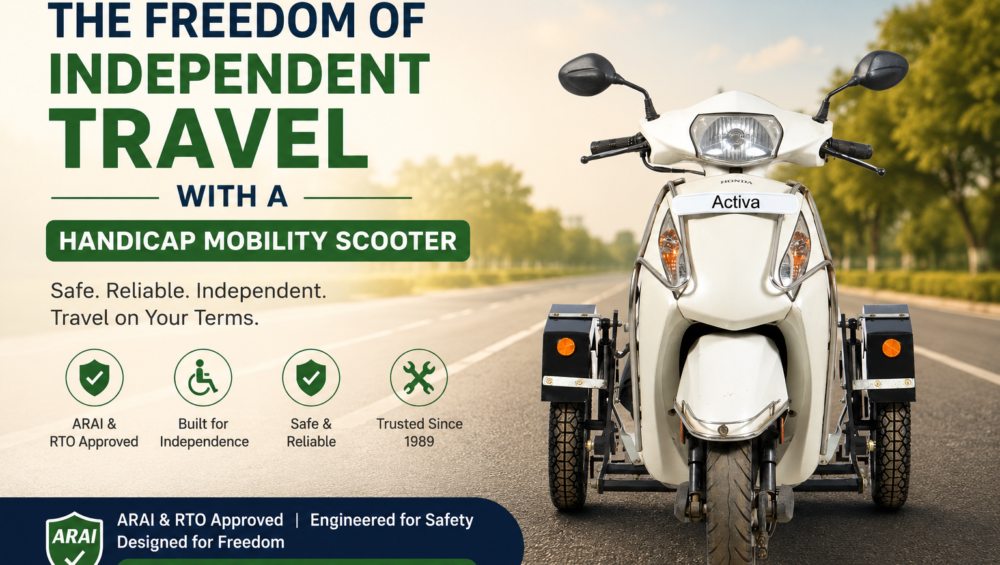
The Freedom of Independent Travel with a Handicap Mobility Scooter

Mobility loss rarely stays contained to physical movement alone. It reshapes daily life in smaller, less obvious ways too, medical appointments now depend on someone else’s schedule, routine errands get postponed until a family member is free and small personal decisions turn into requests for help. This shift in control, more than the physical limitation itself, is what independent travel is meant to restore. It’s also why handicap mobility scooters have become such a practical answer for people trying to reclaim that independence, and why the choice of scooter, and the manufacturer behind it, ends up mattering so much more than most buyers expect going in.

What Independent Travel Really Means for Mobility Users

Kilometers covered or top speed reached, none of that really defines independent travel. It comes down to choice mostly, being able to decide when to leave, where to go, how long to stay, without needing anyone’s permission or free time first. For someone managing reduced mobility, that one ability ends up carrying a lot more weight than it seems on paper.

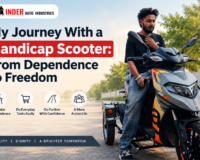
Handicap scooters in India hand back exactly this kind of control. A weekend visit to a relative, a walk through the local market, stepping out just for some air, none of that has to stay a favor arranged around somebody else’s schedule anymore. It goes back to being a personal decision. That’s really the freedom this whole article is getting at, the shift from needing help to just choosing.

How the Right Scooter Supports Everyday Freedom

No two users experience independent travel quite the same way. Where someone lives, how they move through an ordinary day, all of it shapes what freedom actually looks like for them, and the vehicle itself has a lot to do with whether that freedom feels natural or gets in the way.

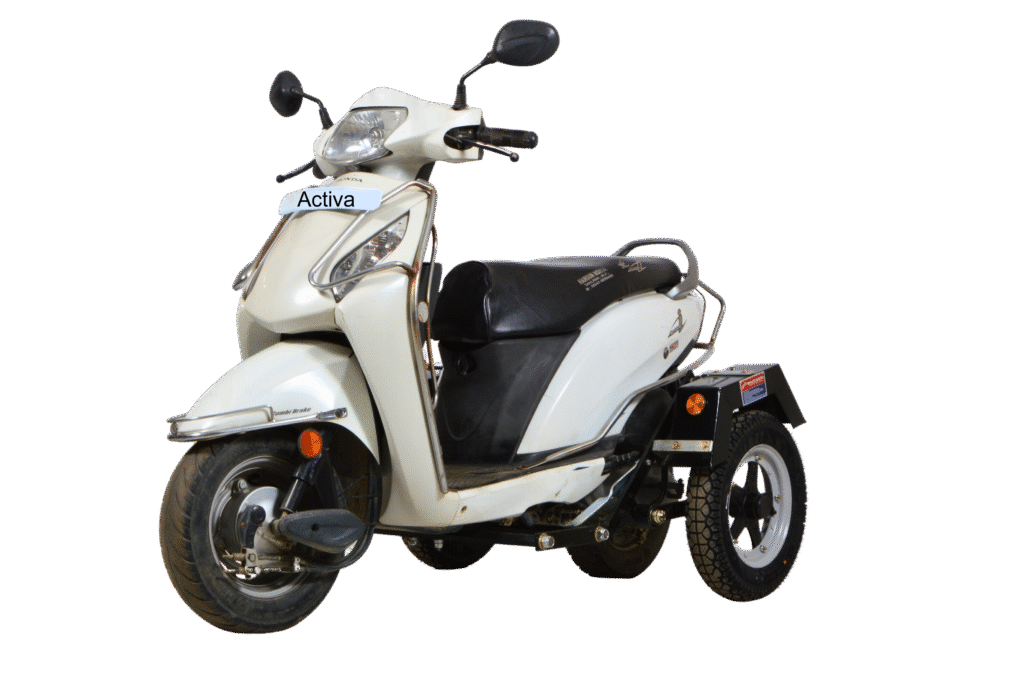
Take a 3 wheel scooter for handicapped users, these tend to do better in crowded or narrow settings. Older parts of Indian cities especially, tight lanes, unpredictable turns and a smaller turning radius just makes it easier to move through all that without stopping short every few minutes. Lower seating height on most three-wheel models helps too, wheelchair transfers get noticeably smoother, one less obstacle standing between someone and just deciding to go somewhere.

Four-wheel setups matter more for users dealing with rural roads or uneven, rougher terrain. Stability there isn’t some extra feature tacked on, it’s often the entire reason independent travel is even possible for that person.

So there’s no single winner between the two. It really comes down to matching the vehicle to wherever someone actually lives their day-to-day, not whatever looks best sitting in a showroom.

Why Safety Determines Whether Independence Lasts

Safety is what decides whether independence actually holds up, and that’s a part a lot of buyers miss without really meaning to.

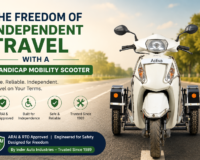
Plenty of handicapped scooter in India listings look fine enough on the surface, decent photos, a handful of good reviews, a fair asking price. What’s usually missing though is verified government certification behind the actual product. ARAI approval, that’s from the Automotive Research Association of India, paired with RTO clearance, confirms the vehicle has genuinely met recognized safety and structural standards. Those standards matter a lot more when the vehicle in question is carrying someone with limited mobility.

Skip that certification and a single mechanical failure can undo whatever independence a person managed to gain, sometimes for good. So independent travel, at the end of the day, needs more than solid design behind it. It needs reliability that’s actually been proven and tested, not just claimed.

Why Inder Auto Industries Leads the Handicapped Scooter Industry

A manufacturer with real history behind them, that’s what lasting independence actually needs, not just a good-looking catalogue. Inder Auto Industries has been manufacturing handicapped persons’ vehicle attachments since 1989, under formal authorization from ARAI and the Government of India’s RTO the entire time.

Nearly four decades of manufacturing means the engineering behind these scooters got shaped by actual travel conditions over the years, not just controlled lab testing somewhere. Attachment mounting, weight distribution, how the frame holds up after years of regular use, all of that comes from field experience built up slowly. Hard to fake that kind of track record, no matter how good a marketing page reads.

Working out of Punjab, supplying both domestic and international markets, Inder Auto Industries built its reputation around one focus really, mobility solutions for handicapped users, never treating it like some side business. Probably why so many customers end up trusting the company with something this personal in the first place.

What Real Confidence in Travel Looks Like

Confidence matters just as much as convenience when it comes to independent travel, knowing the scooter will hold up no matter where the day ends up leading. That confidence usually comes down to a few direct questions asked before buying, clear warranty terms, a defined repair process, some proof the attachment kit’s actually been tested under conditions close to what the user will face regularly.

A manufacturer genuinely behind independent travel answers these questions straight, no hedging around it, because real confidence, not some smooth pitch, is what actually lets a person travel freely.

Moving Forward with the Right Choice

Independent travel shouldn’t only be within reach for people who can afford to gamble on uncertified equipment. Every user deserves mobility solutions built on verified safety standards, ones where freedom to travel stays intact well past the first year or two.

Anyone weighing up a handicapped scooter in India ought to check certification closely, ask direct manufacturing questions, and pick a company with an actual track record of supporting independent travel, not just an attractive listing online.

FAQs

What allows handicap scooters in India to support genuinely independent travel?

Verified government certification, ARAI approval and RTO clearance specifically, plus dependable after-sales support from the manufacturer.

Is a 3 wheel scooter for handicapped riders better for independent travel than a 4 wheel one?

Depends on the environment mostly. Three-wheel designs suit narrow, congested areas better, four-wheel designs hold up better across rougher or rural terrain.

Who manufactures dependable handicapped scooter in India options for independent travel?

 Inder Auto Industries, based in Punjab, has manufactured ARAI and RTO-approved handicapped persons’ vehicle attachments since 1989.


banner imageCategoriesMobility Scooter

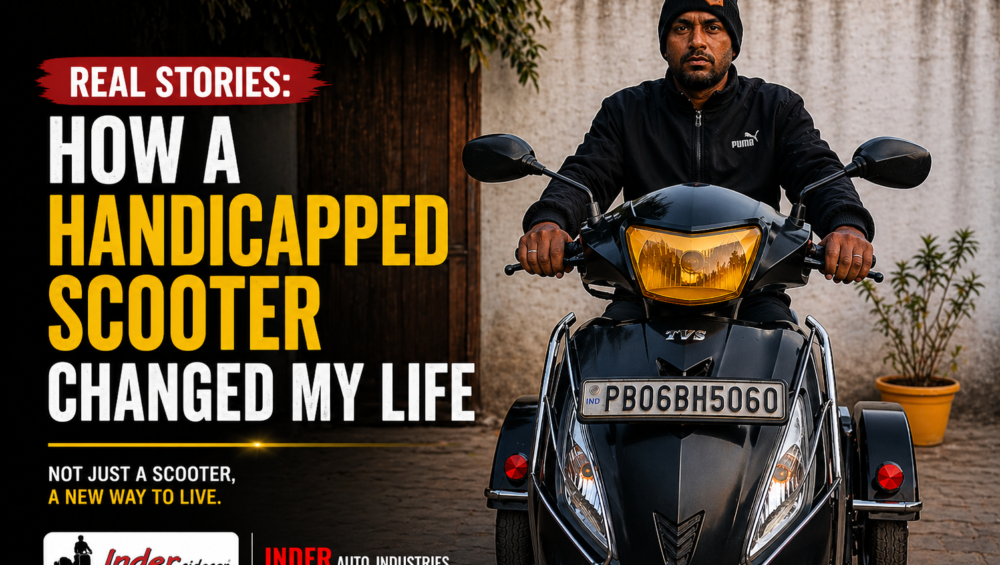
Real Stories: How a Handicapped Scooter Changed My Life

A Life That Slowly Became Smaller

I didn’t notice when things started changing. It wasn’t one big moment. Just small adjustments at first. Avoiding longer distances, then skipping outings, then depending on someone even for basic things. You tell yourself it’s temporary, manageable. But over time, your world shrinks without asking you.

In India, it feels heavier. Roads are unpredictable, public spaces aren’t always friendly, and people either stare or over-help. Both feel uncomfortable. The biggest change wasn’t physical. It was the constant need to depend on someone else for movement. That part stays with you.

I had heard about handicap scooters, seen a few here and there, but never really believed they would work properly here. The idea of a handicapped scooter in India felt a bit impractical to me. Either too delicate or just not built for real conditions.

The Decision I Kept Delaying

Someone suggested I look into an handicap mobility scooters.I didn’t act on it immediately. I took time, checked different options, and honestly doubted most of them. A lot of things look good online but don’t hold up on Indian roads.

While searching, I came across Inder Auto Industries. What felt different was that the focus seemed practical. Not flashy. More like something built for everyday use  rough patches, regular travel, actual life.

Still, I hesitated. It didn’t feel like a small decision.


First Few Rides Felt Uncertain, But Different

When I finally got it, I wasn’t instantly confident. The first ride was slow, slightly awkward. I kept checking balance, speed, everything. It wasn’t smooth or perfect.

But even in that first ride, one thing stood out  I didn’t need anyone else.

That feeling is hard to explain unless you’ve lived without it.

Within a few days, I started stepping out more. Short distances at first. Then slightly longer ones. Then visits I had stopped making altogether. This wasn’t just a handicap mobility scooter anymore. It started feeling like control coming back, little by little.

The Post I Didn’t Think Twice About

One day, I make a simple video. No special reason. Just me sitting on my handicap scooter outside a nearby shop.

I uploaded it on Facebook with a short caption. Something basic like, “First time stepping out alone after years.”

No editing. No planning. No intention behind it.

The next day, everything changed.

When a Simple Story Starts Spreading

Notifications kept coming. Messages from people I knew, and many I didn’t. Questions about the 3 wheel scooter for handicapped, about safety, about cost, about daily use.

Some people shared their own stories. Others tagged relatives. A few just wrote, “This gave me hope.”

That’s when I realized something very clearly  this is exactly how things spread in India. Not because they are perfectly written, but because they feel real.

Why People Actually Connect With These Stories

When someone sees a real person using a handicapped scooter in India, it feels believable. There’s no script. No exaggeration. Just a visible shift from dependence to movement.

Even those who don’t need a scooter understand the feeling of being stuck at some point in life. That’s what makes these stories relatable. It’s not about the product alone. It’s about what it changes.

A short caption, a normal photo, and a genuine moment often work better than any detailed advertisement. That’s just how people respond here.

What I Learned After Using It Daily

Using it regularly made a few things very clear. Not all handicap scooters are suitable for Indian conditions. Stability matters more than expected. A proper 3 wheel scooter for handicapped users should feel balanced, especially on uneven surfaces.

Durability becomes important very quickly. Roads here test everything. Something that works smoothly for a week but fails later is not useful. An handicap mobility scooters simplifies daily life, but only if it’s reliable.

This is where quality becomes important. A handicap scooter is not a short-term purchase. It becomes part of your routine. Choosing something well-built makes a long-term difference.

The Change Was Bigger Than I Expected

What surprised me wasn’t just the ability to move. It was what came with it.

I started going out without overthinking. Saying yes to small plans. Visiting places I had quietly removed from my routine. It didn’t feel like a big transformation from the outside, but internally it was.

Confidence doesn’t come back suddenly. It returns slowly, through small actions.

A handicap mobility scooters doesn’t fix everything. But it removes one major barrier. And that opens up space for other things to improve.

Why These Stories Keep Going Viral

After my post, I started noticing similar posts from others. Different people, different places, same kind of experience.

Simple photos. Honest captions. Real change.

That’s when it became clear  these stories don’t go viral by chance. They spread because people see something genuine. They see possibility, not promotion.

And that’s something people share.

Thinking About It? Don’t Ignore the Idea

If you’re considering a  handicap scooters, it’s worth taking seriously. Not rushing into it, but also not dismissing it.

Look for something that fits real conditions. Something stable, durable, and practical. A good handicap mobility scooter should make life easier, not complicated.

Starting with a reliable name like Inder Auto Industries makes sense. Not as a final decision, but as a starting point to understand what quality actually looks like.

Final Thought

If there’s one thing I’d say after all this, it’s simple  progress doesn’t always come in big, dramatic ways. Sometimes it starts with something as basic as being able to step out on your own, without waiting, without planning around others.

So if you’re even slightly considering it, don’t overthink it too much. Explore properly, choose quality, and go with something built to last.

Because sometimes, one practical decision can open up a completely different way of living  and that’s always worth it.

FAQs

Why do customer stories about handicapped scooters go viral in India?

Because they feel real. People relate to genuine struggles and visible change, not polished marketing.

Are 3 wheel scooters safe for handicapped users?

A well-designed 3 wheel scooter for handicapped users offers good stability and is widely used in India.

What should I look for in a handicap mobility scooter?

Focus on durability, comfort, battery life, and road compatibility. Quality matters more than price.

handicap mobility scootersCategoriesMobility Scooter

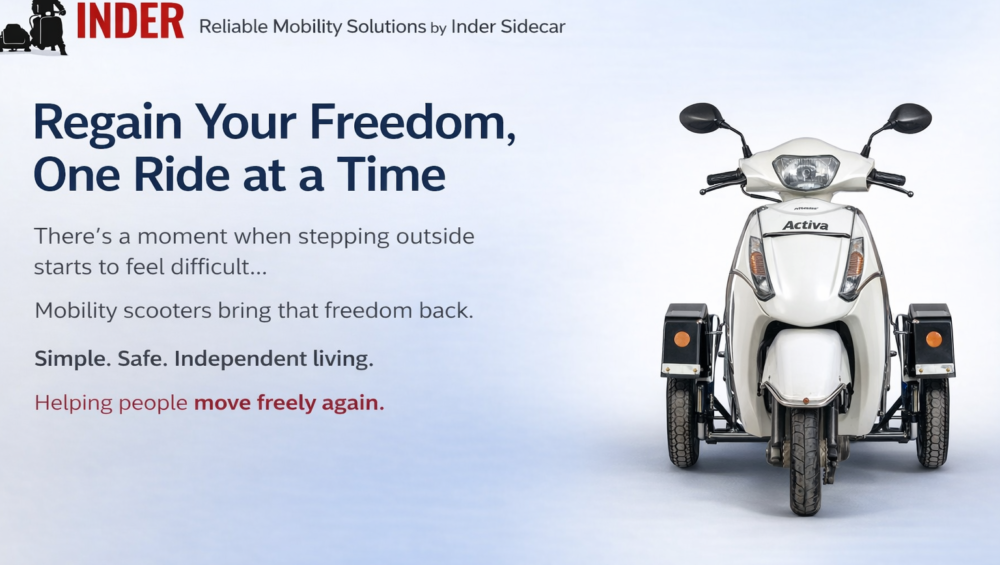
How Handicap Mobility Scooters Help People Regain Independence

There’s a moment many people with mobility challenges know too well.

You want to step outside. Visit a friend. Go to the market. Maybe just take a ride around the neighborhood.

But the body says no.

And slowly, day by day, independence starts shrinking.

That’s where handicap mobility scooters quietly change everything.

Not in some dramatic Hollywood way. Just simple, everyday freedom. The kind most people take for granted.

Why Mobility Loss Feels So Frustrating

Mobility isn’t just about walking.

It’s about control. Choice. Dignity.

When someone depends on others for every small errand, life starts feeling smaller. A quick trip to the shop turns into planning. Waiting. Asking someone for help.

And honestly… that gets exhausting.

This is exactly why handicap scooters are becoming more common today.

They give control back.

What Exactly Is a Handicap Mobility Scooter?

Think of it as a compact electric vehicle designed for people who have difficulty walking long distances.

A electric handicap scooter runs on battery power, easy controls, and a stable frame. No complicated mechanics.

Just turn the key. Use the throttle. And go.

Many people prefer a 3 wheel scooter for handicapped users because it’s lighter, easier to maneuver, and perfect for narrow roads or crowded areas.

And in India… crowded areas are pretty much everywhere.

Small Machine. Huge Life Change.

People often underestimate what a mobility scooter really does.

It’s not just transportation.

It restores routine.

Morning temple visits. Grocery runs. Visiting relatives. Even just sitting outside in the evening breeze. These simple things suddenly become possible again.

For many families using a handicapped scooter , the biggest change isn’t mobility.

It’s confidence.

You can see it in the rider’s face the first time they drive alone.

Why Electric Handicap Scooters Work So Well

Electric scooters solve several problems at once.

First, they’re simple. No complicated gears or clutch systems.
Second, they’re affordable compared to larger mobility vehicles.
And third, they’re built for everyday roads.

A good electric handicap scooter offers:

  • Stable seating
  • Easy handle controls
  • Rechargeable battery
  • Low maintenance
  • Strong balance support

That combination matters, especially for elderly users.

One small design improvement can make daily life much easier.

Independence Is Also About Safety

Mobility solutions must be reliable.

Cheap builds fail. And when a mobility device fails, it’s not just inconvenient… it’s dangerous.

That’s why build quality matters.

And honestly, that reliability becomes even more important in rural areas where support services are limited.

Speaking of rural areas…

Mobility vehicles aren’t the only thing saving lives there.

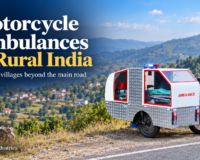
Motorcycle ambulance systems are also becoming critical in villages where traditional ambulances simply cannot reach in time.

Different machines. Same goal.

Helping people when they need it most.

Why Handicap Scooters Are Growing Fast 

Mobility scooters used to be rare here.

Not anymore.

Today, more families are searching for handicapped scooter  options because awareness is growing. People are realizing independence doesn’t have to disappear after an injury or disability.

With better manufacturing, better batteries, and improved accessibility… these scooters are becoming a real solution.

Not a luxury.

A necessity.

It’s Not Just Mobility. It’s Dignity.

That’s the part people don’t talk about enough.

Independence restores dignity.

Being able to go out without asking someone for help. Being able to visit a friend without waiting for transport.

Those things matter.

And sometimes all it takes is a simple 3 wheel scooter for handicapped riders to bring that freedom back.

Final Thought

Mobility loss shouldn’t mean life stops moving.

The right handicap mobility scooters can bring back independence, confidence, and everyday freedom. For thousands of people across India, that change is already happening.

The only question is… when will you take the first step toward it?

Don’t wait for tomorrow. Call now your scooter’s already waiting at Inder Auto Industries.

FAQs

What is the difference between a handicap mobility scooter and a regular scooter?

A handicap mobility scooter is designed specifically for people with limited mobility. It offers better stability, comfortable seating, and simplified controls compared to regular scooters.

Why do many people prefer a 3 wheel scooter for handicapped users?

A 3 wheel scooter for handicapped riders is easier to turn, lighter, and ideal for tight spaces. Many elderly users find it more comfortable for everyday use.

Are electric handicap scooters safe for elderly people?

Yes. A well-built electric handicap scooter is designed with stability, controlled speed, and easy steering to ensure safety and comfort for older riders.

Is it easy to maintain handicap scooters?

Most handicap scooters require very little maintenance. Regular battery charging and occasional servicing keep them running smoothly for years.

Where can I find a reliable handicapped scooter ?

Several manufacturers offer mobility scooters today, but choosing a trusted name with proven durability and service support is important for long-term reliability.