
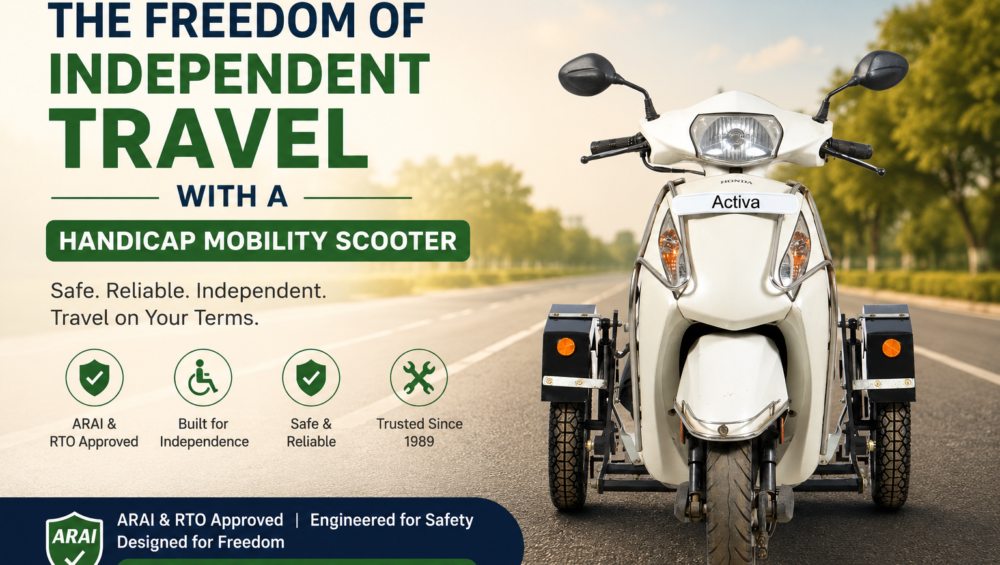
Mobility loss rarely stays contained to physical movement alone. It reshapes daily life in smaller, less obvious ways too, medical appointments now depend on someone else’s schedule, routine errands get postponed until a family member is free and small personal decisions turn into requests for help. This shift in control, more than the physical limitation itself, is what independent travel is meant to restore. It’s also why handicap mobility scooters have become such a practical answer for people trying to reclaim that independence, and why the choice of scooter, and the manufacturer behind it, ends up mattering so much more than most buyers expect going in.
What Independent Travel Really Means for Mobility Users
Kilometers covered or top speed reached, none of that really defines independent travel. It comes down to choice mostly, being able to decide when to leave, where to go, how long to stay, without needing anyone’s permission or free time first. For someone managing reduced mobility, that one ability ends up carrying a lot more weight than it seems on paper.
Handicap scooters in India hand back exactly this kind of control. A weekend visit to a relative, a walk through the local market, stepping out just for some air, none of that has to stay a favor arranged around somebody else’s schedule anymore. It goes back to being a personal decision. That’s really the freedom this whole article is getting at, the shift from needing help to just choosing.
How the Right Scooter Supports Everyday Freedom
No two users experience independent travel quite the same way. Where someone lives, how they move through an ordinary day, all of it shapes what freedom actually looks like for them, and the vehicle itself has a lot to do with whether that freedom feels natural or gets in the way.
Take a 3 wheel scooter for handicapped users, these tend to do better in crowded or narrow settings. Older parts of Indian cities especially, tight lanes, unpredictable turns and a smaller turning radius just makes it easier to move through all that without stopping short every few minutes. Lower seating height on most three-wheel models helps too, wheelchair transfers get noticeably smoother, one less obstacle standing between someone and just deciding to go somewhere.
Four-wheel setups matter more for users dealing with rural roads or uneven, rougher terrain. Stability there isn’t some extra feature tacked on, it’s often the entire reason independent travel is even possible for that person.
So there’s no single winner between the two. It really comes down to matching the vehicle to wherever someone actually lives their day-to-day, not whatever looks best sitting in a showroom.
Why Safety Determines Whether Independence Lasts
Safety is what decides whether independence actually holds up, and that’s a part a lot of buyers miss without really meaning to.
Plenty of handicapped scooter in India listings look fine enough on the surface, decent photos, a handful of good reviews, a fair asking price. What’s usually missing though is verified government certification behind the actual product. ARAI approval, that’s from the Automotive Research Association of India, paired with RTO clearance, confirms the vehicle has genuinely met recognized safety and structural standards. Those standards matter a lot more when the vehicle in question is carrying someone with limited mobility.
Skip that certification and a single mechanical failure can undo whatever independence a person managed to gain, sometimes for good. So independent travel, at the end of the day, needs more than solid design behind it. It needs reliability that’s actually been proven and tested, not just claimed.
Why Inder Auto Industries Leads the Handicapped Scooter Industry
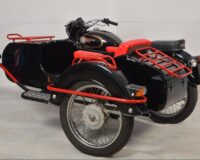
A manufacturer with real history behind them, that’s what lasting independence actually needs, not just a good-looking catalogue. Inder Auto Industries has been manufacturing handicapped persons’ vehicle attachments since 1989, under formal authorization from ARAI and the Government of India’s RTO the entire time.
Nearly four decades of manufacturing means the engineering behind these scooters got shaped by actual travel conditions over the years, not just controlled lab testing somewhere. Attachment mounting, weight distribution, how the frame holds up after years of regular use, all of that comes from field experience built up slowly. Hard to fake that kind of track record, no matter how good a marketing page reads.
Working out of Punjab, supplying both domestic and international markets, Inder Auto Industries built its reputation around one focus really, mobility solutions for handicapped users, never treating it like some side business. Probably why so many customers end up trusting the company with something this personal in the first place.
What Real Confidence in Travel Looks Like
Confidence matters just as much as convenience when it comes to independent travel, knowing the scooter will hold up no matter where the day ends up leading. That confidence usually comes down to a few direct questions asked before buying, clear warranty terms, a defined repair process, some proof the attachment kit’s actually been tested under conditions close to what the user will face regularly.
A manufacturer genuinely behind independent travel answers these questions straight, no hedging around it, because real confidence, not some smooth pitch, is what actually lets a person travel freely.
Moving Forward with the Right Choice
Independent travel shouldn’t only be within reach for people who can afford to gamble on uncertified equipment. Every user deserves mobility solutions built on verified safety standards, ones where freedom to travel stays intact well past the first year or two.
Anyone weighing up a handicapped scooter in India ought to check certification closely, ask direct manufacturing questions, and pick a company with an actual track record of supporting independent travel, not just an attractive listing online.
FAQs
What allows handicap scooters in India to support genuinely independent travel?
Verified government certification, ARAI approval and RTO clearance specifically, plus dependable after-sales support from the manufacturer.
Is a 3 wheel scooter for handicapped riders better for independent travel than a 4 wheel one?
Depends on the environment mostly. Three-wheel designs suit narrow, congested areas better, four-wheel designs hold up better across rougher or rural terrain.
Who manufactures dependable handicapped scooter in India options for independent travel?
Inder Auto Industries, based in Punjab, has manufactured ARAI and RTO-approved handicapped persons’ vehicle attachments since 1989.


1 Comment
[…] like actual mountains when you’re the one pushing yourself up them. So I started researching handicap scooters in India, mostly out of desperation more than any real hope, if I’m being honest with you […]