Honda Activa Handicapped KitCategoriesBusiness

Honda Activa Handicapped Kit by Inder Auto Industries

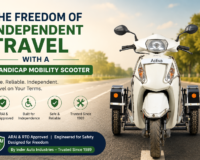
Mobility is a crucial aspect of independence and quality of life. For individuals with disabilities, maintaining this independence can be challenging. Handicapped scooters have emerged as a transformative solution, providing freedom and ease of movement. One such innovation is the Honda Activa Handicapped Kit, a retro fitment designed to make scooters and motorcycles accessible to all. Manufactured by Inder Auto Industries, this kit is revolutionizing personal transportation for people with disabilities. Let’s explore the numerous benefits of handicapped scooters and how the Honda Activa Handicapped Kit stands out.

1. Enhanced Independence

One of the primary benefits of handicapped scooters is the enhanced independence they offer. With a reliable scooter equipped with the Honda Activa Handicapped Kit, individuals with mobility challenges can travel without needing assistance. This newfound independence allows them to engage in daily activities, run errands, and socialize with greater ease and confidence.

2. Improved Accessibility

The Honda Activa Handicapped Kit is designed to make scooters and motorcycles accessible to a wider range of users. This retro fitment ensures that those with physical disabilities can operate the vehicle comfortably and safely. The kit typically includes modifications such as extended footrests, hand-operated controls, and stability enhancements, ensuring a smooth and secure ride.

3. Cost-Effective Mobility Solution

Compared to specialized handicapped vehicles, scooters retrofitted with the Honda Activa Handicapped Kit offer a more affordable mobility solution. Inder Auto Industries has engineered the kit to be cost-effective, making it accessible to a broader demographic. This affordability doesn’t compromise quality or safety, providing a reliable option for those in need of adaptive transportation.

4. Customizable Options

The Honda Activa Handicapped Kit can be tailored to meet the specific needs of the user. Whether it’s adjusting the height of the seat, modifying the handlebars for better control, or adding additional support features, customization ensures that each scooter is perfectly suited to its rider. This adaptability makes the kit versatile for various types of scooters and motorcycles.

5. Increased Safety

Safety is paramount when it comes to personal transportation. The Honda Activa Handicapped Kit is designed with the highest safety standards in mind. Features such as reinforced frames, secure seating, and enhanced braking systems provide peace of mind to riders and their families. These safety enhancements ensure that users can navigate different terrains with confidence.

6. Eco-Friendly Transportation

In an era where environmental concerns are at the forefront, handicapped scooters provide an eco-friendly transportation option. Scooters, especially those equipped with efficient engines or electric models, have a lower environmental impact compared to traditional vehicles. The Handicapped Kit allows individuals to enjoy the benefits of sustainable transportation without sacrificing mobility.

7. Social Inclusion

Mobility challenges can often lead to social isolation. Handicapped scooters help bridge this gap by enabling users to participate more fully in community life. Whether it’s attending social events, visiting friends and family, or simply exploring the neighborhood, these scooters facilitate greater social inclusion and engagement.

Conclusion

The Honda Activa Handicapped Kit by Inder Auto Industries is a game-changer for individuals with disabilities. By enhancing mobility, promoting independence, and ensuring safety, this retro fitment transforms ordinary scooters and motorcycles into powerful tools of empowerment. Handicapped scooters not only improve the quality of life for users but also foster a more inclusive society where everyone has the freedom to move and explore.

History of the SidecarCategoriesBusiness

The History of the Sidecar

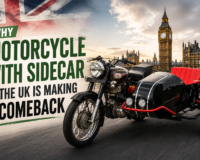
The sidecar, an iconic addition to motorcycles, has a fascinating history that spans over a century. This unique vehicle, combining the thrill of motorcycling with the practicality of an additional passenger seat or cargo space, has evolved significantly since its inception. Let’s take a journey through time to explore the origins, development, and cultural impact of the sidecar.

The Birth of the Sidecar

The concept of the sidecar can be traced back to the late 19th century. The first sidecar design is often credited to French army officer Jean Bertoux. In 1893, Bertoux invented a wheeled attachment that could be mounted alongside a bicycle, allowing it to carry a passenger. This early version of the sidecar was essentially a wicker chair mounted on a third wheel, connected to the bicycle by a frame.

By the early 20th century, the burgeoning popularity of motorcycles spurred interest in creating sidecars for these faster and more powerful vehicles. The first patented motorcycle sidecar was designed by British newspaper “Motor Cycling” in 1903. Their design, known as the “Watsonian,” featured a sturdy frame and a more comfortable passenger seat, offering a significant improvement over earlier models.

The Golden Age of Sidecars

The period between the two World Wars is often considered the golden age of sidecars. During this time, sidecars became immensely popular, particularly in Europe and the United States. They were used for a variety of purposes, including personal transportation, commercial deliveries, and even military applications.

In the 1920s and 1930s, manufacturers like Harley-Davidson, Indian, and BMW began producing motorcycles specifically designed to accommodate sidecars. These machines featured reinforced frames and powerful engines to handle the added weight and provide a smooth ride. The sidecar’s versatility made it an attractive option for families, offering an affordable and stylish alternative to automobiles.

Sidecars in Wartime

World War I and World War II saw significant use of sidecars by military forces. Motorcycles with sidecars were employed for reconnaissance, communications, and transporting personnel and equipment. The German military, in particular, made extensive use of sidecars, with the BMW R75 and Zündapp KS750 becoming iconic vehicles of the era.

These military sidecars were rugged and highly adaptable, capable of navigating rough terrain and carrying heavy loads. Their success in wartime applications further cemented the sidecar’s reputation as a reliable and practical vehicle.

Post-War Decline and Revival

After World War II, the popularity of sidecars began to wane. The increasing affordability of automobiles and the rise of more sophisticated motorcycles with better passenger accommodations led to a decline in sidecar use. By the 1960s and 1970s, sidecars had become relatively rare, seen more as a nostalgic relic of a bygone era.

However, sidecars never completely disappeared. Enthusiasts and collectors continued to appreciate the unique charm and functionality of sidecar motorcycles. In recent decades, there has been a resurgence of interest in sidecars, driven by a combination of nostalgia, practicality, and the desire for a distinctive riding experience.

Modern Sidecars

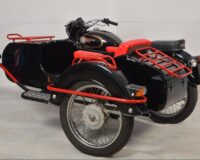
Today, sidecars are enjoying a renaissance. Modern sidecar manufacturers, such as Ural and Watsonian-Squire, produce high-quality sidecars that combine classic design elements with modern engineering. These vehicles appeal to a new generation of riders seeking adventure and a sense of individuality.

Sidecar racing has also gained popularity, with enthusiasts competing in events around the world. The Isle of Man TT, one of the most famous motorcycle races, features a dedicated sidecar category that showcases the skill and bravery of both drivers and passengers.

Conclusion

The history of the sidecar is a testament to human ingenuity and the enduring appeal of unique and versatile vehicles. From its humble beginnings as a bicycle attachment to its role in wartime and its modern resurgence, the sidecar has left an indelible mark on the world of motorcycling. Whether for practical use, sport, or sheer enjoyment, the sidecar continues to capture the imagination of riders and enthusiasts alike. Contact us to know more information about the history of sidecar.